Refractory materials selected for high-temperature roof applications in steelmaking.
Industrial Refractory Materials
Built for High Heat.
Zhengzhou Zhongqi Refractory Materials Co., Ltd. manufactures refractory bricks, castables, insulation bricks, and tundish materials for steel, glass, and power generation applications.

24-hour service hotline155 1555 8093
Product Systems
Refractory Materials Engineered for Furnaces
Our product range includes refractory bricks, castables, and insulation bricks for industrial furnace roofs, boiler walls, kiln walls, and continuous casting tundishes.
AZS fused zirconia corundum bricks serve glass industry kilns, while corundum and steel fiber high-strength wear-resistant castables are used in boilers and heating furnaces.
View Product RangeApplications
Built Around Your Furnace Line
Materials are supplied for demanding thermal environments across steel production, glass manufacturing, and power generation.
Share price tracking has become a daily habit for investors watching Indian companies, and this site presents the subject with the kind of clarity that serious market participants expect. Rather than burying data in clutter, the layout foregrounds the essentials: current levels, forecasts, and the news flow that shifts sentiment. The dark, high-contrast visual treatment gives the numbers room to breathe, while bold uppercase headlines signal confidence without overstating it.
Understanding a company's share price involves far more than glancing at a chart. Price targets, analyst forecasts, and corporate disclosures all contribute to the picture, and each carries its own degree of uncertainty. The presentation here treats those projections as informed estimates rather than promises, making that distinction explicit so readers approach the information with realistic expectations and a healthier analytical frame.
Investment news travels quickly, and timing matters when you are tracking securities across sectors such as textiles, industrials, oil, food processing, and financial services. A well-organized news section helps readers absorb developments in context, linking headlines to the companies they affect. The editorial-style design, with generous spacing and strong focal imagery, keeps attention on the substance rather than on decoration, which suits audiences who want signal over noise.
No forecast can account for every variable in a live market. Company performance shifts, broader conditions change, and even a well-researched projection may diverge from what actually unfolds. Acknowledging those limits openly is what separates responsible financial publishing from promotional material. This approach builds trust over time, because readers learn to weigh each estimate against the wider picture of volatility, disclosure, and expectation rather than treating any single figure as settled fact.
Technical reference content fits naturally alongside market commentary because industrial knowledge underpins company analysis. Notes on electric arc furnace roofs and the refractory materials chosen for high-temperature steelmaking applications illustrate the operating realities behind a manufacturer's output. Such detail helps readers understand why cost structures, capacity decisions, and maintenance cycles influence earnings, giving the financial data a more grounded and human context.
Reading a stock page effectively starts with orienting yourself: what the business does, how its revenue is generated, and which disclosures are filed regularly. From there, targets and commentary become far more useful, since you can judge whether an estimate reflects sensible assumptions about the company's core operations. The structured, easy-to-scan layout supports that workflow, letting readers move between overview data and commentary without friction on any screen.
Transparency about sourcing matters in financial information. Analysis drawn from public filings, expert commentary, and clearly attributed data tends to hold up better under scrutiny than vague assertions. Where figures are compiled by third parties, readers benefit from understanding that compiled figures may occasionally differ from the original source. A page that flags this openly invites careful reading instead of blind reliance, which is the more durable habit for anyone following share price movement.
Corporate actions and regulatory developments can reshape a company's outlook with little warning, and keeping track of them is one of the more valuable routines for an investor. Updates on sectors ranging from textiles and chemicals to banking and industrial manufacturing help signal where expectations are moving. When such information is presented in a calm, disciplined format, it becomes easier to separate routine reporting from genuinely material change before drawing conclusions about a price target.
Ultimately, a share price page should equip you to think independently rather than to hand you a conclusion. The best tools here are organizational: clear hierarchy, strong typographic contrast, and space that lets you read without distraction. Combine the published targets with your own research, your risk tolerance, and your time horizon, and treat every projection as one input among many. That is the sensible way to turn raw market data into informed, deliberate decisions.
Tundish lining materials for working, permanent, and insulation layers.
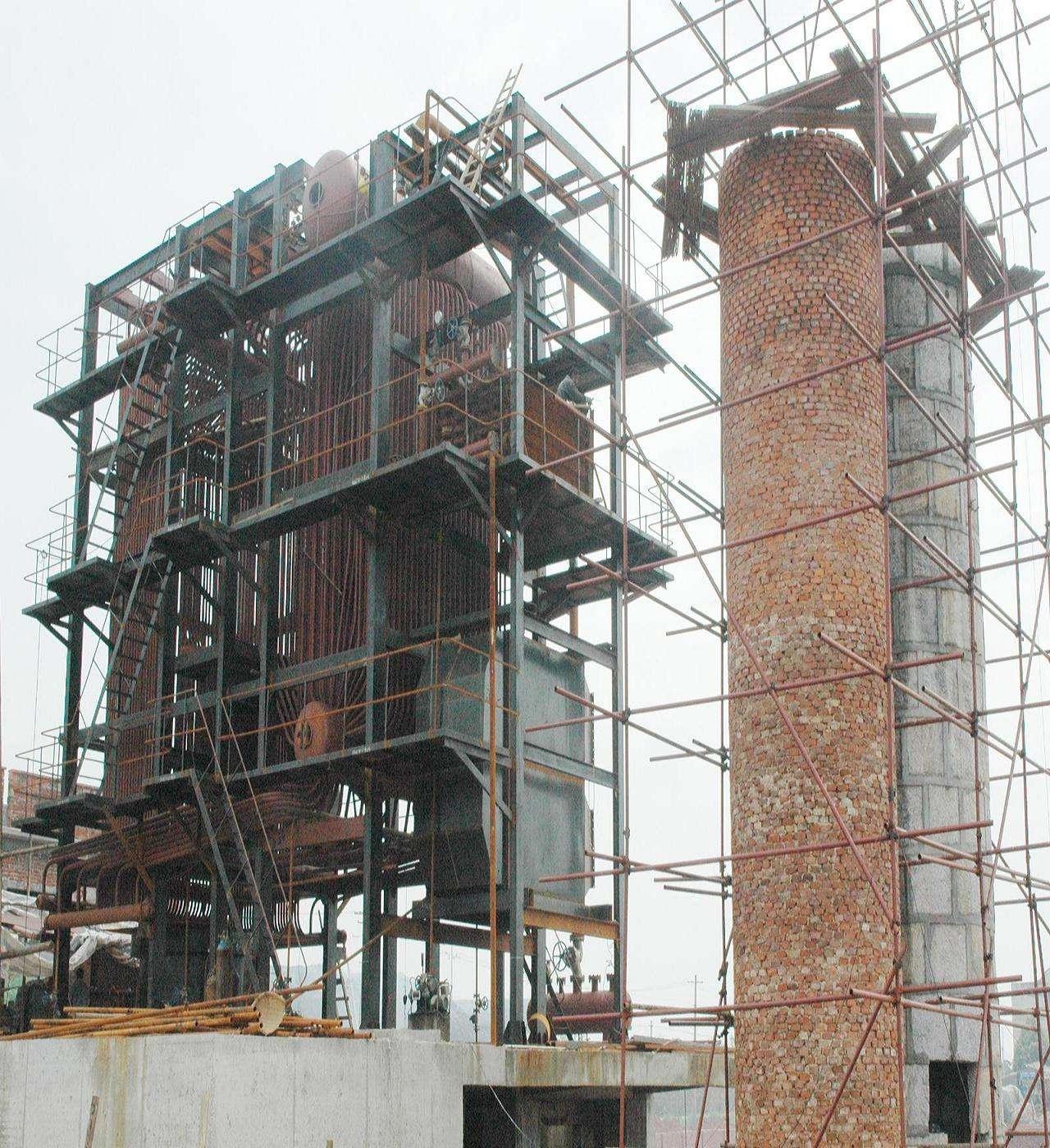
Castables and wall masonry solutions for circulating fluidized bed boilers.
Refractory brick construction for stable operation and heat insulation.
Core Products
Specialized Refractory Grades
Selected product information for industrial heating and metallurgical applications.
AZS Bricks
Fused zirconia corundum bricks for glass industry kilns, offered in grades 33#, 36#, and 41% based on alumina content.
Refractoriness: 1700°C · Density: 3.75 · Compressive strength: 150 MPa
Corundum Castable
An alumina-based castable with 1700°C refractoriness for boilers and heating furnaces.
Material: Al2O3 · Refractoriness: 1700°C
Steel Fiber Castable
High-strength wear-resistant castable for separators and return devices in circulating fluidized bed boilers.
Application: CFB boiler separators and return devices

Tundish Materials
Continuous Casting Refractory Solutions
Silica dry vibratable ramming mass suits small and medium tundishes, while magnesia dry vibratable mass is used for large and long-duration tundishes. Average service life is 30 hours, up to 35 hours, with construction taking approximately two hours.
View Tundish MaterialsApplication Cases
Measured Working-Layer Performance
Case studies document different tundish refractory systems and their working-layer service life.
31h
Anyang Steel
Tundish magnesia ramming mass working-layer service life.
33h
Shougang Steel
Tundish magnesia vibration material working-layer service life.
30h
Yueyufeng Steel
Tundish silica ramming mass working-layer service life.
Contact
Discuss Your Refractory Requirements
Contact our team with your furnace, boiler, kiln, or tundish application.